

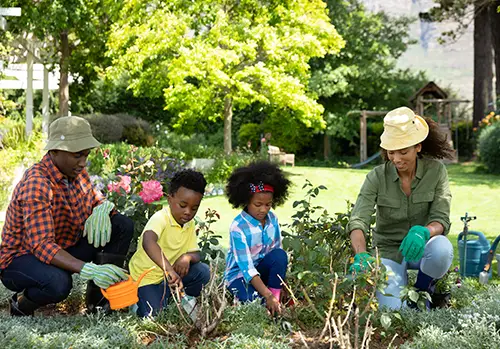
Image by WavebreakMediaMicro via stock.adobe.com
Tips for Growing a Victory Garden: Teaching the Next Generation to Grow Their Own Food
Learning to grow your own food is more than a rewarding hobby. It is a practical life skill that can help families become more self-reliant, make informed food choices, and build a stronger connection with the environment. Whether you have a spacious backyard or a few containers on a patio, starting a victory garden is an opportunity to learn something valuable that can last a lifetime.
Victory gardens became popular during World War I and World War II, when Americans planted vegetables at home and in community spaces to supplement the nation’s food supply. Today, the idea remains relevant for a different set of reasons: helping families save money, encouraging healthier eating habits, reducing food waste, and teaching children where their food comes from.
Introducing gardening at a young age can help children develop patience, responsibility, and an appreciation for the resources needed to produce food. These lessons become even more valuable as future generations face changing environmental conditions and the need for more sustainable ways to live.
You do not need to be an experienced gardener to get started. With a little preparation, the right plants, and a willingness to learn, anyone can begin growing food at home.
1. Start Small and Build Confidence
When starting a victory garden, it can be tempting to plant a large variety of vegetables right away. However, beginning with a manageable space makes it easier to learn the basics without becoming overwhelmed.
A small raised bed, a few containers, or a dedicated patch of soil can provide enough space to grow fresh ingredients for everyday meals. Start with just a few vegetables or herbs and expand your garden as your skills improve.
Consider growing foods your household already enjoys. Tomatoes, peppers, beans, leafy greens, and herbs are useful choices, depending on your growing conditions and the season. Growing familiar ingredients also makes it easier to incorporate your harvest into meals.
For an easy starting point, try a salsa garden. By growing ingredients such as tomatoes, peppers, cilantro, and onions, you can create a small garden with a clear purpose and enjoy the results in your own kitchen.
Starting small also makes gardening an excellent family activity. Children can help plant seeds, water containers, and check on new growth. Watching a seed develop into something they can eventually eat gives them a hands-on introduction to how food is produced.
2. Teach Children the Value of Growing Their Own Food
One of the most important reasons to encourage gardening at a young age is that it helps children understand the connection between nature, food, and everyday life.
Many children see food primarily as something purchased at a grocery store. Gardening gives them a chance to experience the process behind it, from planting a seed and caring for a growing plant to harvesting and preparing the final product.
These experiences can help children develop several lifelong skills:
- Responsibility: Plants need regular attention, giving children an opportunity to practice caring for something over time.
- Patience: Seeds do not grow overnight. Children learn that meaningful results often require consistency and time.
- Problem-solving: Gardening introduces practical challenges, such as identifying pests, adjusting watering habits, and understanding why a plant may not be growing well.
- Healthy eating habits: Children who participate in growing vegetables may become more curious about trying fresh ingredients and preparing meals.
- Environmental awareness: Caring for plants helps children understand the importance of healthy soil, water, and other natural resources.
Gardening can also introduce basic science, mathematics, and practical decision-making. Children can measure plant growth, compare growing conditions, count seeds, and learn how different plants respond to sunlight and water.
The Smithsonian’s historical overview of gardening for the common good highlights how school gardens have long been used to connect children with nature and teach them to become active contributors to their communities.
The earlier these lessons begin, the more opportunities children have to develop the knowledge and confidence to grow food independently as they get older.
3. Prepare Your Soil for a Healthy Harvest
Healthy plants begin with healthy soil. Before planting a victory garden, take time to understand the condition of your soil and what it needs to support plant growth.
Soil provides plants with water, nutrients, air, and the structure needed for their roots to develop. Soil that is too compacted, drains poorly, or cannot retain enough moisture can make it harder for vegetables to thrive.
Adding compost and other appropriate organic materials can help improve soil structure, support beneficial soil organisms, and make nutrients more available to plants. The amount and type of amendment needed will depend on your existing soil and the vegetables you plan to grow.
According to Growing a Greener World, preparing a vegetable garden with compost and other organic materials can help improve soil texture, structure, and moisture management. These improvements create better conditions for roots to grow and plants to establish themselves.
For more guidance, read Soil Prep for the Vegetable Garden.
Soil preparation is also an excellent learning opportunity for children. They can observe the differences between dry and moist soil, look for earthworms, and discover why roots need room to grow. These small activities help them understand that a successful garden depends on more than simply putting seeds in the ground.
4. Turn Kitchen Scraps Into Compost
Gardening provides an opportunity to teach children that materials we often throw away can still have value. Composting is one way to turn suitable organic waste into a useful resource for the garden.
Compost is made from decomposed organic materials, such as certain fruit and vegetable scraps, leaves, and grass clippings. When properly prepared and used, it can improve soil structure, help soil retain moisture, and contribute nutrients and beneficial microorganisms.
The U.S. Composting Council explains that compost can also help reduce soil erosion and improve soil resilience by supporting better water movement and increasing the soil’s organic matter content. These benefits can help create healthier growing conditions over time.
Learn more in the council’s resource, Compost and Soil Improvement.
Families can introduce composting with a simple routine. Set aside an appropriate container for compostable materials, learn which items are suitable for your chosen composting method, and periodically check the compost as it breaks down. Avoid adding meat, dairy, or oily food scraps to a basic backyard compost pile unless your composting system is specifically designed to handle them.
Children can help collect approved materials and observe how they change over time. This teaches them about decomposition, natural cycles, and the importance of using resources thoughtfully.
Composting also reinforces a valuable lesson: caring for a garden is not just about growing food. It is about understanding how different parts of the natural environment work together.
5. Choose Vegetables That Grow Well in Your Area
The success of a victory garden depends partly on selecting plants suited to your local climate, growing season, and available space.
Before planting, research which vegetables grow best in your region and when they should be planted. Warm-season vegetables generally need warmer conditions, while cool-season crops are better suited to milder weather.
For gardeners in North Texas, this is especially important because the region generally has spring and fall growing seasons for many vegetables. Tomatoes, peppers, beans, squash, and cucumbers are examples of warm-season crops. Leafy greens, carrots, peas, and other cool-season vegetables may be better suited to cooler parts of the year, depending on the variety and local conditions.
Sunlight, drainage, watering needs, and available space should also influence your choices. Some vegetables grow well in containers, while others need more room for their roots or vines.
When gardening with children, choose a few plants that are appropriate for your location and relatively easy to manage. Fast-growing crops can be particularly rewarding because children have more opportunities to observe changes and stay engaged.
It is also helpful to grow vegetables your family regularly eats. A garden becomes more practical when the harvest can be used in salads, soups, sandwiches, and other familiar meals.
6. Bring Gardening Into Everyday Family Life
Gardening does not have to be a separate activity that requires hours of work every week. It can become part of a family’s regular routine.
Set aside a few minutes to water plants, check for signs of growth, remove weeds, or harvest ripe vegetables. Give children age-appropriate responsibilities so they can participate without making the process feel overwhelming.
You can also connect gardening with other everyday activities:
- Cooking: Let children help wash harvested vegetables and prepare simple meals.
- Planning: Ask family members which vegetables they want to grow and how the harvest might be used.
- Science: Track plant growth, record rainfall, or compare how plants grow in different locations.
- Waste reduction: Discuss how composting can turn certain food scraps and yard materials into a useful garden resource.
- Sharing: Offer extra produce to neighbors, friends, or community members when your garden produces more than your household needs.
These activities help children understand that food production involves planning, effort, and cooperation. They also encourage families to spend time outdoors and work toward a shared goal.
A garden does not need to produce large quantities of food to make a difference. Even a small harvest can give children a sense of accomplishment and help them appreciate the work involved in providing a meal.
7. Remember Why Victory Gardens Still Matter
Victory gardens have a long history of helping people respond to changing circumstances. During the world wars, Americans planted home and community gardens to supplement the food supply and support a broader national effort. These gardens demonstrated how individuals and communities could contribute to a shared need.
Today, the value of growing food extends beyond emergencies. Home gardening can help households learn practical skills, supplement grocery purchases, connect with their communities, and become more aware of how food reaches their tables.
As discussed in Bonnie Plants’ article, Why Victory Gardens Still Matter, modern victory gardens can support goals such as saving money, teaching children useful skills, addressing hunger, and promoting environmental awareness.
Learning to grow food also creates opportunities to pass knowledge from one generation to the next. Children who learn to plant, maintain, harvest, and prepare vegetables can carry those skills into adulthood and share them with their own families.
Growing your own food will not make every household completely self-sufficient, and gardening requires time, space, and ongoing learning. However, even a modest garden can help people become more capable and confident in providing some of their own food.
The long-term benefit is not limited to the vegetables harvested today. It is also the knowledge gained, the habits developed, and the understanding of how to care for the resources that make food production possible.
Start Growing Today for a More Self-Reliant Tomorrow
A victory garden can begin with a single container, a handful of seeds, and a willingness to learn. With each growing season, families can develop their skills, discover which plants work best for their needs, and build confidence in their ability to grow fresh food.
Most importantly, teaching children to garden gives them more than a fun outdoor activity. It introduces them to responsibility, patience, environmental stewardship, and a practical skill they can use throughout their lives.
The future benefits when the next generation understands how to care for the land and produce food for themselves. By making gardening part of family life today, we can help build a future in which more people understand where their food comes from and feel empowered to take part in growing it.
You do not need a large yard or years of experience to begin. Start small, learn as you go, and let your garden grow alongside your skills.
Got Life Insurance Questions?
We hope these tips will help you plan a low-maintenance “victory garden” that rewards you with fresh food throughout the changing seasons. If you want to learn more about gardening read our article Health Benefits of Gardening.
Empower Brokerage wants to help you understand what health and life coverage you need and how to save money getting it. CALL US at (844) 410-1320 for more information.
Get affordable life insurance quotes by clicking here.
See our other websites:
This article was updated on October 29, 2026 by Nora Vargas.