

Adverse Health Risks
What are the Adverse Health Risks of Eating Ultra-Processed Food? We hear from experts and the media to avoid processed foods. But do you know how to identify processed food? What about ultra-processed food? And how exactly does processed food affect our health? We did some digging and tackled these questions. Keep reading to learn more.
Unprocessed, Processed, and Ultra-Processed Food: What’s the difference?
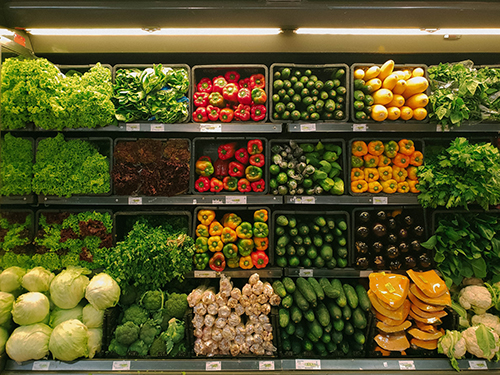
“Unprocessed” food is whole food in its natural (or nearly natural) state. Examples include vegetables, fruit, raw chicken, unsalted nuts, eggs, and seafood.
Foods become “processed” by adding salt, oil, sugar, or other substances. Basically, anything that changes the fundamental nature of an agricultural product – heating, freezing, dicing, juicing – is a processed food. Most processed foods have two or three ingredients, such as canned tuna fish, canned beans/vegetables, fruits in syrup, cheese, or bread.
Ultra-processed foods take things a step further and are mostly made from substances extracted from foods, such as fats, starches, added sugars, and hydrogenated fats. They may also contain additives like artificial colors and flavors or stabilizers. Examples of ultra-processed foods are frozen meals, soft drinks, hot dogs and cold cuts, fast food, packaged cookies, cakes, and salty snacks. Essentially, anything that is packaged and ready to eat with little work involved is ultra-processed food. They are cheap and convenient, but high in refined carbohydrates, saturated fat, salt, industrial additives, and calories. Alarmingly, Harvard Health reports ultra-processed foods are the main source (nearly 58%) of calories eaten in the US and contribute almost 90% of the energy we get from added sugars.
How Ultra-Processed Food Affects Our Health
Heavy processing of food strips out fiber and nutrients and tosses additives and stabilizers in. The loss of fiber alters how the body digests food, affecting friendly gut bacteria. The classification system NOVA explains that ultra-processed foods are “formulated from industrial ingredients and contain little or no intact foods. By their nature, they are unhealthy, and should be grouped together, and avoided.” While the industrial ingredients are considered safe, their long-term effects are unknown. The basic problem with ultra-processed foods is that they are not designed with health in mind. Manufacturers prefer to make taste, cost, and shelf life a priority.
How to Avoid Ultra-Processed Food?
- Shop the perimeter of a supermarket. The aisles have a lot of processed food, especially ultra-processed foods.
- Prepare more home-cooked meals without ultra-processed ingredients.
- Consider the Source. If you have trouble figuring out where your food originated from, it’s likely a highly processed food.
- Don’t be swayed by processed food marketed as “healthy”, “natural” or “organic”. An organic, natural cookie is still an ultra-processed food.
The Hidden Role of Food Additives
Beyond the calories and lost fiber, ultra-processed foods carry a less obvious risk: the additives used to stabilize, sweeten, and preserve them. A major 2024 review in Nature Reviews Gastroenterology & Hepatology found that common additives, including emulsifiers, artificial sweeteners, and synthetic colorings, can directly disrupt the gut in ways separate from the food’s nutritional profile. Emulsifiers like polysorbate 80, found in many packaged sauces, dressings, and baked goods, have been shown to thin the protective mucus lining of the intestine and trigger low-grade inflammation. Researchers linked this disruption to a growing list of conditions, including inflammatory bowel disease and colorectal cancer.
What makes this concerning is how widespread these additives are; they show up in items that don’t seem “unhealthy” at first glance, like flavored yogurts, bread, and canned soups. Reading ingredient labels for unfamiliar, lab-sounding names (not just added sugar or sodium) is one of the most effective ways to catch hidden ultra-processing before it ends up on your plate.
Life Insurance Questions?
We hope this information on ultra-processed food is useful to you.
If you’d like to learn how we can help you plan your retirement, call Empower Brokerage at (888) 539-1633 to speak to one of our Life and Annuity experts or leave a comment below.
Get affordable life insurance quotes by clicking here.
See our other websites:
This article was updated on August 17, 2026.